
Gum Disease
Healthy gums are the foundation of healthy smile.
A beautiful smile begins beneath the surface. Before the colour of your teeth, before their shape or alignment – it begins with the health of your gums.
Gum disease is one of the most common dental conditions in the world, and one of the most overlooked. It can develop quietly, without pain, and progress significantly before it is noticed. But caught early, and treated properly, it is manageable, reversible in its early stages, and no reason for alarm.
What is Gum Disease?
Gum disease, also known as periodontal disease, is a chronic bacterial infection and inflammation of the gums, bone structure and supporting tissues that are keeping the teeth in place. Gum disease is caused by a build-up of bacterial plaque on the tooth, root or implant surface. When this dental plaque starts to challenge the immune defence mechanisms of the individual, oral tissues that the plaque comes into contact with become red, swollen and eventually infected.
The first tissues to become infected are the gums, leading to a mild form of the condition commonly known as gingivitis. If this is left untreated, the infected tissues would lead to the establishment of a periodontal ‘pocket’ between the gum and the tooth. The bacteria collected here is what can lead to the loss of tissue attachment around the tooth, causing the tooth to become loose, move or ultimately lost. Gum disease is one of the most common causes of tooth loss in adults.
The Stages of Gum Disease
Stage
1.
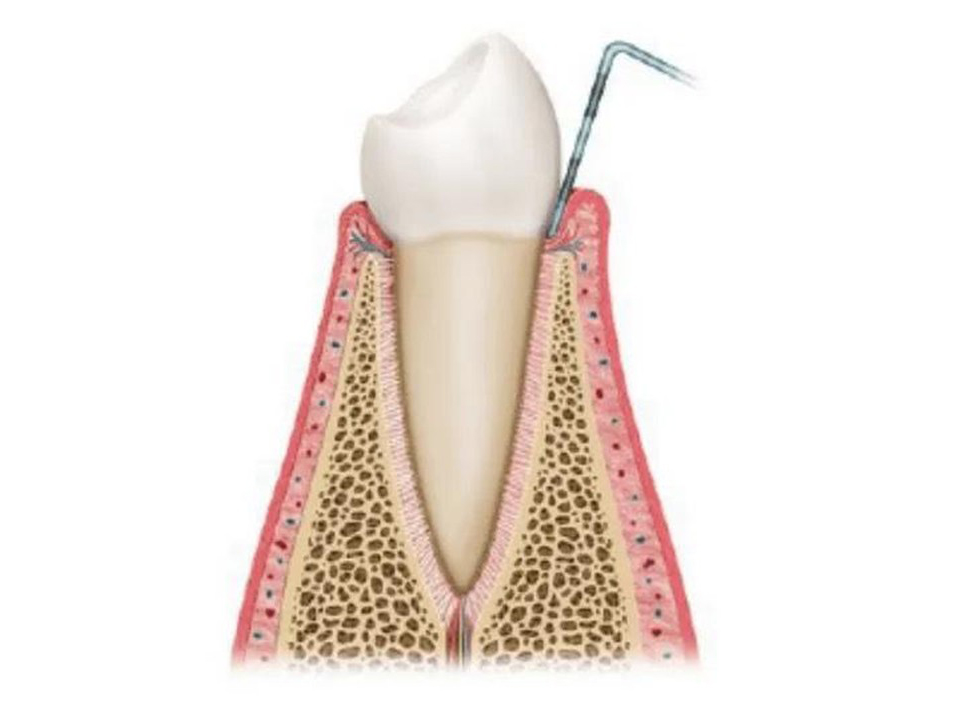
Gingivitis
If the earlier stages of periodontal disease have been ignored and left untreated, the disease will eventually progress to the most serious of the four stages. Advanced periodontal disease threatens a 50-90% chance of irreversible bone loss, leading to the loss of teeth. Symptoms of this final stage include gums that ooze pus, severe pain when chewing, extreme cold sensitivity, halitosis, major bone loss and the movement or loosening of teeth. The only treatment option at this stage is periodontal surgery or periodontal laser therapy, which works to clean out the deep pockets of bacteria beneath the gums and encourage the infected tissue to heal.
Stage
2.
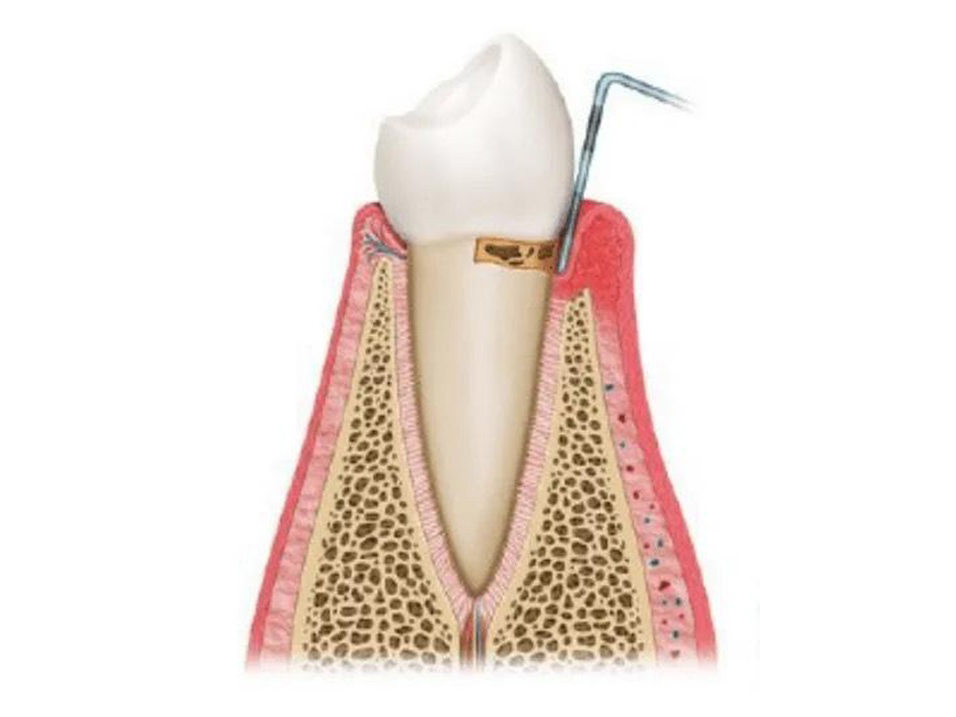
Early Periodontal Disease
Whilst the symptoms of moderate periodontal disease are the same as early periodontal disease, the probing depths, or periodontal pockets as they are more commonly known as, are deeper. With a depth of between six and seven millimetres at this stage, this enables the bacteria to make its way into your bloodstream, putting your immune system under strain with the infection. The treatment for both early and moderate periodontal dental disease are also the same: scaling and root planing. These are intense, deep cleaning procedures that remove bacterial deposits far below the gumline. In the case of moderate disease, the cleaning will need to be deeper.
Stage
3.
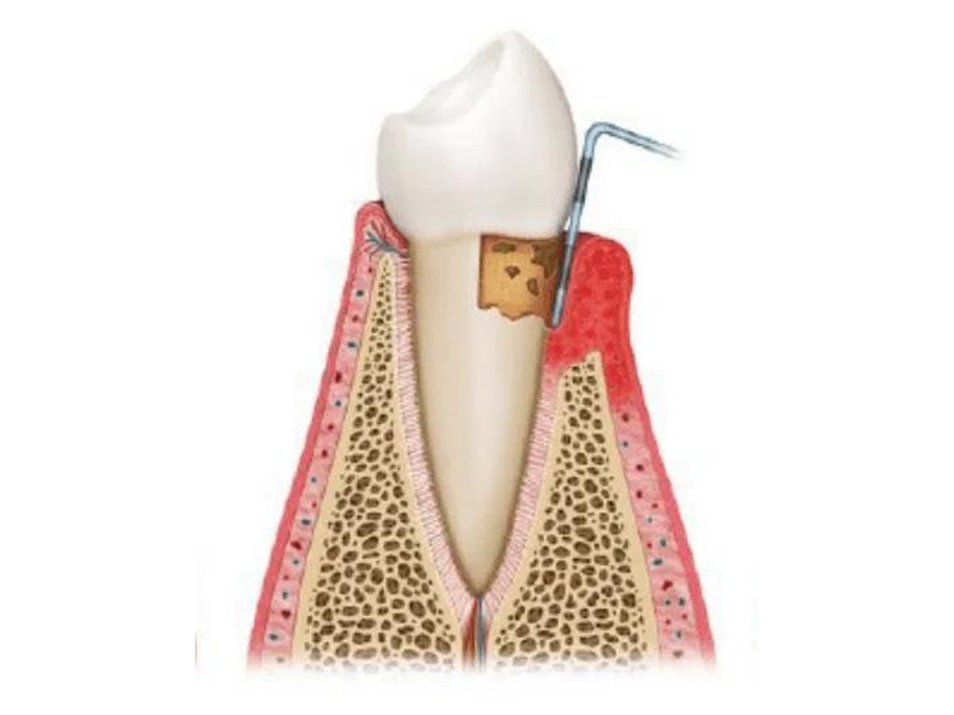
Moderate Periodontal Disease
Whilst this stage of periodontal disease can unfortunately not be reversed, it can be managed with the correct treatment. If gingivitis has progressed to early periodontal disease, it means the infection has reached the bone and started to affect and damage the bone structure. As periodontal disease advances, the bacteria become more destructive and can subsequently lead to bone loss. Treatment at this stage will ordinarily include extensive cleaning of the gums to remove the deeply-rooted bacteria deposits.
Stage
4
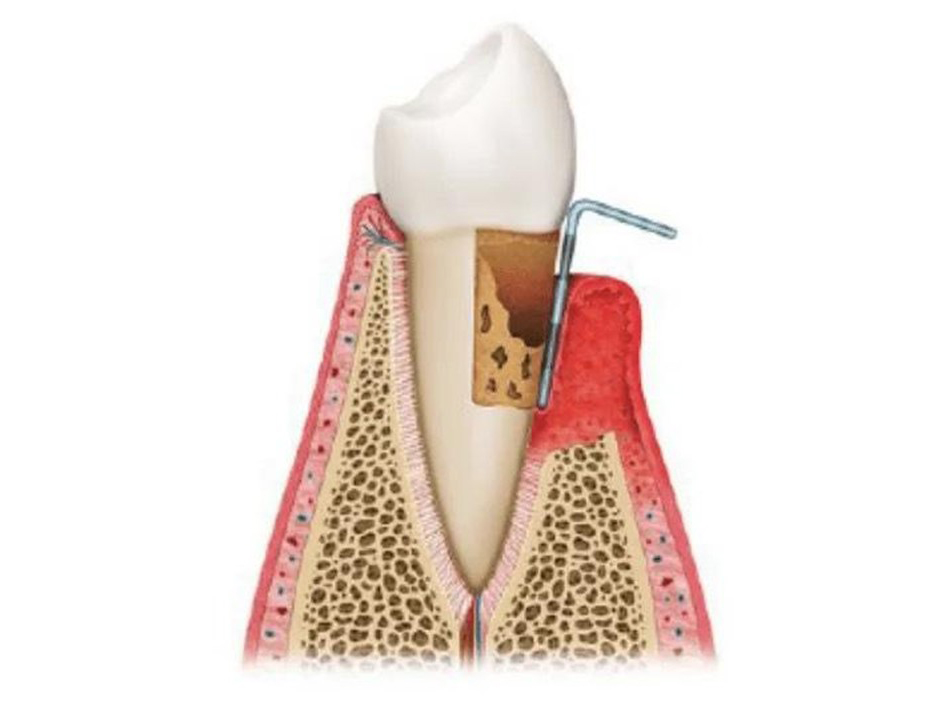
Advanced Periodontal Disease
Gingivitis is a common form of mild gum disease, resulting in irritation, redness and swelling around the base of the teeth due to a build-up of plaque. Although the vast majority of gingivitis symptoms are painless and can often go unnoticed, bleeding gums is one of the typical initial symptoms and should never be ignored. Since it is possible to be unaware you have gingivitis, consistently excellent oral hygiene and regular dental visits are essential. If gingivitis is diagnosed, it’s easily treatable and potentially reversible.
Common Signs and Symptoms
Gum disease is not always painful, which is why it can go unnoticed. Some of the more common signs include:
Bleeding gums
Persistent bad breath (halitosis) or an unpleasant taste
Gums that look red, swollen, or feel tender
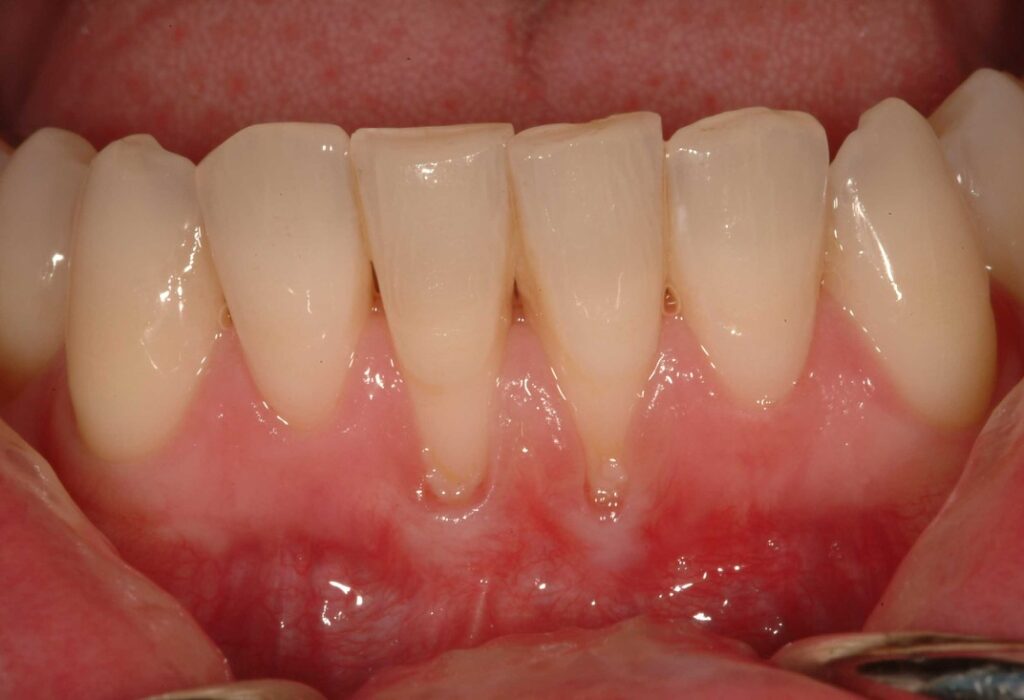
Receding gums or teeth that appear longer than before
Swelling or abscesses
Tooth sensitivity usually around the gumline
New spaces forming between teeth
Loose or shifting teeth
A change in your bite or how your teeth fit together
The absence of symptoms does not mean the absence of disease. Regular dental and hygiene visits are the most reliable way to detect gum disease early, before it has the chance to progress.
Why Treating Gum Disease Matters
The significance of gum health extends well beyond your smile. Research has established clear links between periodontal disease and systemic conditions including heart disease, diabetes, and other inflammatory conditions. Caring for your gums is, in every sense, caring for your overall health.
At Dr Shabri’s clinic, gum disease is never treated in isolation. Every assessment considers your oral hygiene habits, your medical history, and your overall wellbeing, because lasting results come from understanding the full picture, not just the symptoms.
Treatment Overview
Step
1.
Comprehensive Assessment
Your journey begins with a thorough examination of your gums and supporting structures. This may include:
Identifying Risk Factors
Measuring Gum Pocket Depths
Assessing Inflammation, Bleeding & Recession
Digital X-rays To Evaluate Bone Support
From this, a personalised treatment plan is designed, that addresses both the infection and the conditions that allowed it to develop.
Step
2.
Non-Surgical Treatment
For most patients, gum disease can be treated without surgery. The goal is to reduce bacterial load, eliminate the deposits driving the infection and give your gum tissue the conditions it needs to heal.
Scale & Root Planing
Removal of the plaque and calculus that daily brushing cannot reach; the baseline of any periodontal management plan.
Tailored Oral Hygiene Guidance
Technique matters as much as frequency; Dr Shabri works through brushing, interdental cleaning, and product choices specific to your mouth.
Lifestyle and nutrition advice
Smoking, diet, and stress all influence periodontal health; Dr Shabri addresses the full picture, not just what happens at the appointment.
Root Surface Debridement
Where disease has progressed below the gum line, a more targeted deep clean of the root surface disrupts the bacterial environment driving the infection.
EMS Airflow Therapy
Removal of the biofilm, staining and early deposits with a fine jet of warm water, air, and powder; gentler than traditional instruments and highly effective in areas that are difficult to reach.
Tailored Oral Hygiene Guidance
Technique matters as much as frequency; Dr Shabri works through brushing, interdental cleaning, and product choices specific to your mouth.
Step
3.
Surgical Treatment
In more advanced cases, where pockets are too deep to manage non-surgically, or where significant bone or tissue changes have occurred, Dr Shabri works with a trusted specialist periodontist to ensure you receive the level of care your gums require.
Dr Shabri co-ordinates your care directly, remain involved throughout and ensure the transition between clinicians is seamless.
Periodontal Surgery
Surgical access to deep persistent pockets allows for more precise cleaning and tissue management.
Receding Gum treatment
Where recession has exposed root surfaces or compromised aesthetics, surgical correction can restore both coverage and comfort.
Bone Grafting & Periodontal Regeneration
In some cases lost bone support can be rebuilt using regenerative techniques, improving the long-term prognosis of affected teeth.
Step
4
Maintenance & Prevention
Treating gum disease is only part of the picture. Sustaining excellent gum health requires an ongoing plan.
Dr Shabri works with each patient to build a maintenance programme that fits your lifestyle – practical, achievable and designed to protect your smile for years to come.
Personalised Recall Schedule
Based on your disease history and risk profile, not a one-size-fits-all interval.
Supportive Care
Regular professional cleaning to maintain the stability achieved through active treatment.
Ongoing Monitoring
Pocket depths, bone levels, and gum health are tracked over time so that any changes are caught early, before they become significant.
Home Care Review
What works at the start of treatment may need refining as your gum health improves; Dr Shabri revisits this regularly.
If you’ve noticed bleeding gums, bad breath, or sensitivity, don’t wait for things to worsen. Book a consultation to have your gums assessed and take the first step towards restoring your oral health.
FAQs
What causes gum disease?
Gum disease is caused by plaque and bacteria around the teeth and gums that aren’t cleaned properly. There are other things that can put you at risk of developing gum disease, such as smoking, diabetes, having a weaker immune system and certain medications.
Regular hygiene treatments can help clean difficult areas and prevent gum disease. Other risk factors include smoking, poor oral hygiene, stress, hormonal changes, certain medications, and systemic health conditions.
What are the symptoms of gum disease?
Although in mild cases of gum disease it may not be particularly noticeable that something is wrong, there are still some symptoms that you should look out for.
The following are all signs and symptoms of gum disease:
- Bleeding gums
- Bad breath
- Loose teeth
- Gum recession
- Gum abscesses
- Tooth sensitivity
- Swollen gums
- Teeth looking longer than before
Am I at risk of gum disease?
Anyone can develop gum disease. However, your risk is higher if you smoke, take certain medications, have diabetes, are under stress, clench or grind your teeth, or have a family history of periodontal issues.
What can I do at home?
Consistent, thorough brushing twice daily, interdental cleaning, and avoiding smoking are the most impactful steps you can take. Dr Shabri will guide you on technique and any products that may support your specific needs.
Can gum disease be reversed?
In its early stages, gingivitis, gum disease is fully reversible with professional treatment and improved oral hygiene at home. More advanced periodontal disease can be effectively managed and stabilised, though the changes it causes to bone and tissue are not always fully reversible. This is why early intervention matters.
Is gum disease treatment painful?
Many patients feel anxious when gum disease is mentioned, but treatment is far more manageable than most expect. Local anaesthetic is used where needed, techniques are gentle, and every step is explained clearly. Your comfort is prioritised throughout.
How often should I come in for hygiene treatments?
This varies depending on your gum health and individual risk factors. Dr Shabri will recommend a personalised schedule – typically every three to six months for patients with a history of gum disease.
Can gum disease affect my overall health?
Yes. Research shows strong links between gum disease and systemic conditions like diabetes, heart disease, and other inflammatory illnesses. Keeping your gums healthy supports your overall wellbeing.
Can gum disease treatment be combined with other treatments?
Yes. Gum health underpins the success of many treatments, including fillings, crowns, veneers, and whitening. Healthy gums ensure the best long-term results.
Concerned about your gum health?
Contact us today to arrange a periodontal consultation with Dr Shabri.