
Missing Teeth
Losing a tooth can affect far more than just your smile. Gaps may make it harder to chew, change the way you speak and impact the balance of your bite and facial structure. Many patients also feel self-conscious, and Dr Shabri understands the emotional and psychological impact tooth loss can have.
Replacing missing teeth not only restores your confidence but also protects your long-term oral health. Whether you need to replace a single tooth or several, Dr Shabri provides carefully considered solutions that are natural-looking, functional, and most suitable for your needs – helping restore your smile whilst supporting your overall health and wellbeing.
Why Replace Missing Teeth?
Maintain the balance and harmony in your bite
Prevent teeth from drifting into gaps, affecting bite alignment
Prevent jaw bone deterioration and restore facial structure
Restore speech, chewing ability and appearance
Enjoy food choices without restrictions
Restore long-term confidence in your smile
Your Tooth Replacement Options
We offer a full range of treatments to restore your smile and help you eat, speak, and interact with ease:

Dental Bridges
A fixed option that uses adjacent teeth for support, quite literally "bridging" the gap. Bridges are custom-made to match your natural teeth and are permanently bonded in place.
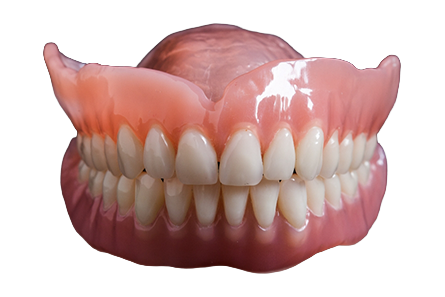
Denture
A removable option for replacing one or more missing teeth. Whilst dentures are cost-effective and non-invasive, they may not provide the same stability or long-term bone preservation as fixed solutions. Dr Shabri will discuss all options during your consultation to help you make an informed decision.
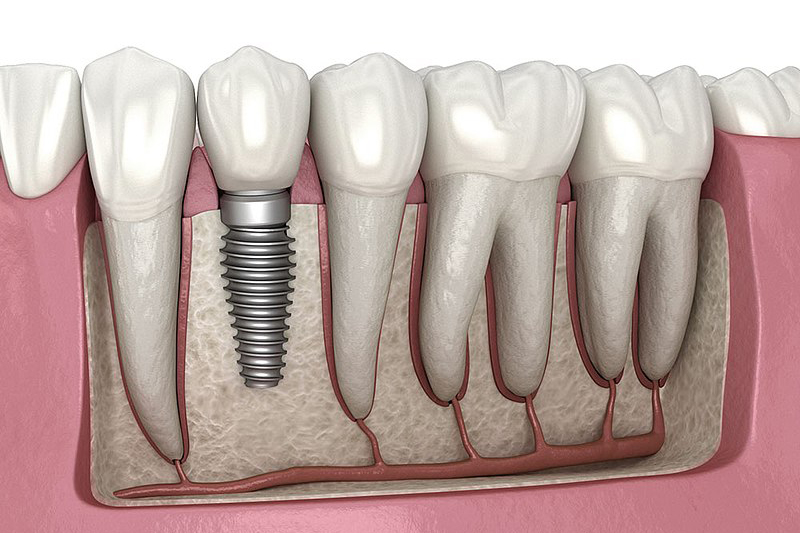
Dental Implants
A permanent solution where a titanium post is surgically placed into the jawbone to act as an artificial root, supporting a crown or bridge. Implants preserve bone and function like natural teeth.
Dental Bridge
A dental bridge is a fixed restoration used to replace one or more missing teeth. It mimics the natural shape and shade of the tooth, using the surrounding teeth as support anchors to bridge the gap. Dental bridges are not removable, providing a stable, long-lasting solution that offers an alternative to implants.
Treatment Overview
Assessment
A detailed examination, often with X-rays or scans, to confirm your suitability and recommend the most appropriate type of bridge (traditional, cantilever, Maryland, or implant-supported). As with all treatments, Dr Shabri will always talk over your options with you beforehand and will involve you in every stage of the treatment journey.
Preparation
If required, the teeth on either side of the gap, are carefully prepared under local anaesthetic. A small amount of enamel is removed to allow the bridge to fit securely over them.
Impressions / Scans
Digital scans or impressions are taken to create your bespoke bridge.
Temporary Bridge
A temporary may be fitted to protect your teeth while your final bridge is being made.
Final Placement
Once your custom bridge is ready, the temporary bridge is removed and the permanent bridge is bonded securely in place. Dr Shabri will adjust the fit and bite to ensure comfort and natural function.
Benefits of Dental Bridges
Natural-looking to restore confidence in your smile
Restores chewing function and speech
Prevents neighbouring teeth from shifting
Maintains bite alignment and supports facial structure
Fixed in place - no need to remove for cleaning
Long-lasting when cared for with good hygiene and regular visits
FAQs
How long does a dental bridge last?
With good oral hygiene and regular dental care, a dental bridge typically lasts 10–15 years or longer. Factors such as oral hygiene, bite forces and grinding habits can affect longevity.
Does the procedure hurt?
No. The teeth are numbed with local anaesthetic before preparation begins, so the procedure is comfortable. After the anaesthetic wears off, you may experience mild sensitivity, which typically resolves within a few days.
What types of bridge are available?
- Traditional bridge – supported by crowns on both sides of the gap.
- Cantilever bridge – supported by a single adjacent tooth.
- Maryland bridge – held in place by a discreet metal or porcelain wing bonded to the back of adjacent teeth.
- Implant-supported bridge – secured with dental implants for maximum stability.
Can I eat normally with a bridge?
Yes. Once fitted, a bridge functions like natural teeth, allowing you to eat and chew comfortably.
How do I care for my dental bridge?
Brush twice daily and floss carefully around and beneath the bridge using super floss or an interdental brush. Attend regular dental check-ups so Dr Shabri can monitor the health of the bridge and supporting teeth. Avoid biting very hard objects, and if you grind your teeth, a nightguard may be recommended.
Am I suitable for a bridge or do I need implants?
Suitability depends on the health of your supporting teeth and gums. In some cases, dental implants may also be considered. While implants are not placed in-house, Dr Shabri works with trusted implant surgeons and can guide you if a referral is the best option for your long-term care.
Considering Dental Implants
In some cases, a dental implant may be the best long-term solution for replacing missing teeth. Implants act like artificial roots, supporting crowns or bridges that look and function just like natural teeth.
Dr Shabri works closely with trusted implant specialists. She can guide you through the decision-making process, refer you to a skilled surgeon where appropriate, and provide long-term maintenance once your implant is placed.
This ensures you benefit from a joined-up, holistic approach – with your oral health overseen at every stage.
Your smile deserves a strong, healthy foundation. Whether a bridge is the right option or an implant referral is more suitable, Dr Shabri ensures you receive personalised, expert care every step of the way.
Ready to restore your smile? Contact us today to arrange your consultation with Dr Shabri.